
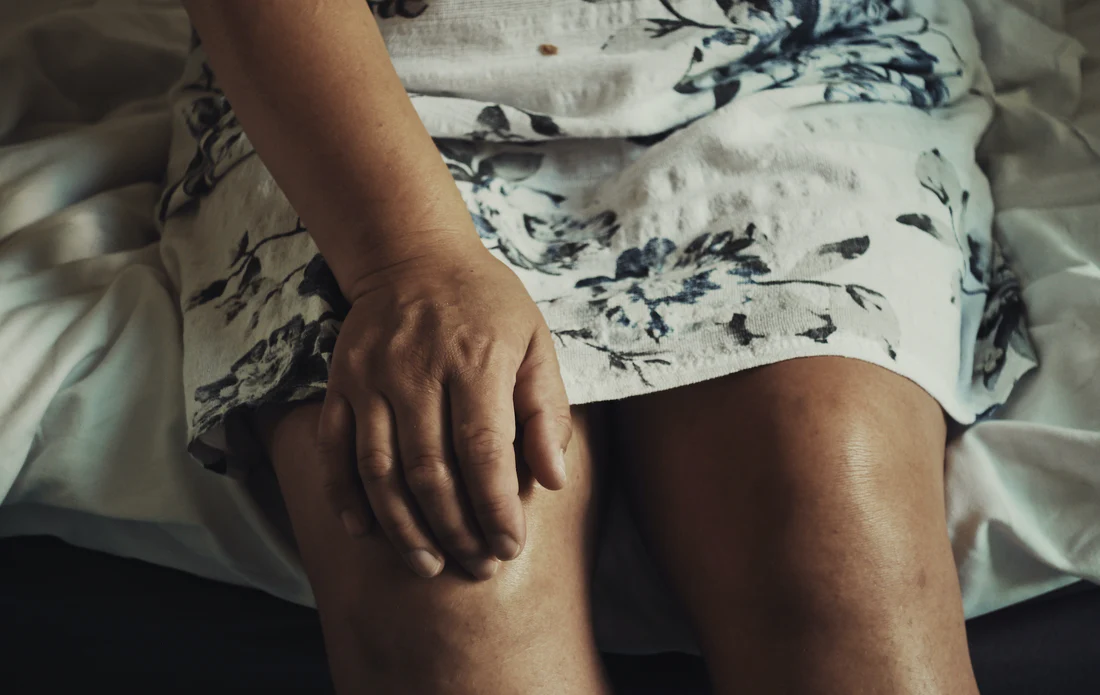
Lately, we’ve seen a recurring scenario at VanCity Physio: clients struggling with persistent inner knee pain. For many, this discomfort began subtly, often after taking up long hours of walking when regular gym access became challenging. What started as mere "irritation" lingered for months, progressively worsening until it demanded attention.
The typical story goes like this: mornings might bring a little stiffness that improves with movement and a hot shower. Sitting usually doesn’t hurt, but walking tends to aggravate the pain, with walking downstairs often being the most painful activity. Curiously, walking upstairs, while uncomfortable, is manageable. Crucially, these clients often have full knee range of motion and only slight tenderness around the joint. This is a classic "clinical picture" of inner knee pain that we see and successfully treat.
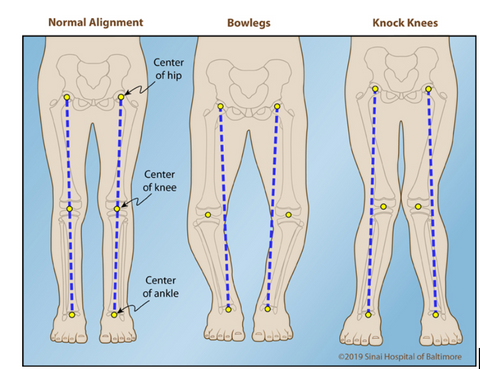
When assessing these cases, our physiotherapists, including our very own Ranko Vukovic, observe some key factors that paint a clear biomechanical picture:
This entire chain reaction creates a rotational stress on the knee. This continuous, abnormal twisting motion can irritate the medial meniscus, the crucial C-shaped cushion on the inner side of the knee that acts as a shock absorber. With increased weight-bearing and activity like walking, this irritation escalates into pain, significantly impacting daily life.
In these cases, we employ a very straightforward yet highly effective treatment strategy. While all methods are important, the last one, education, often proves to be the most pivotal for long-term success.
In many cases, applying these principles, particularly the biomechanical education, leads to significant improvement. Our clients have successfully controlled their pain and managed their knee symptoms in under 10 days!
While biomechanical imbalances are frequent culprits behind inner knee pain, it's essential to recognize that the knee can be affected by a wide range of issues, from simple irritations to more acute and complex injuries. For instance, severe knee incidents like ligament tears (e.g., ACL tears) involve different symptoms and require specialized, intensive rehabilitation. If you're looking for comprehensive information on such acute knee injuries, including insights into their causes, diagnosis, and the journey to recovery, we encourage you to explore our Comprehnsive Guide to ACL Injuries and Physiotherapy. No matter the cause of your knee pain, understanding your body and seeking professional guidance are your strongest tools.
If you're suffering from inner knee pain, start by trying the education tips (point #5). If your pain persists, don't hesitate. Hop on a virtual call with us or come in for an in-person assessment. We won't disappoint!
Book a consultation today: https://vancityphysio.janeapp.com/
Follow us on Instagram for more information: VanCity Physio (@vancityphysiotherapy)

.png)
.svg)
.svg)