
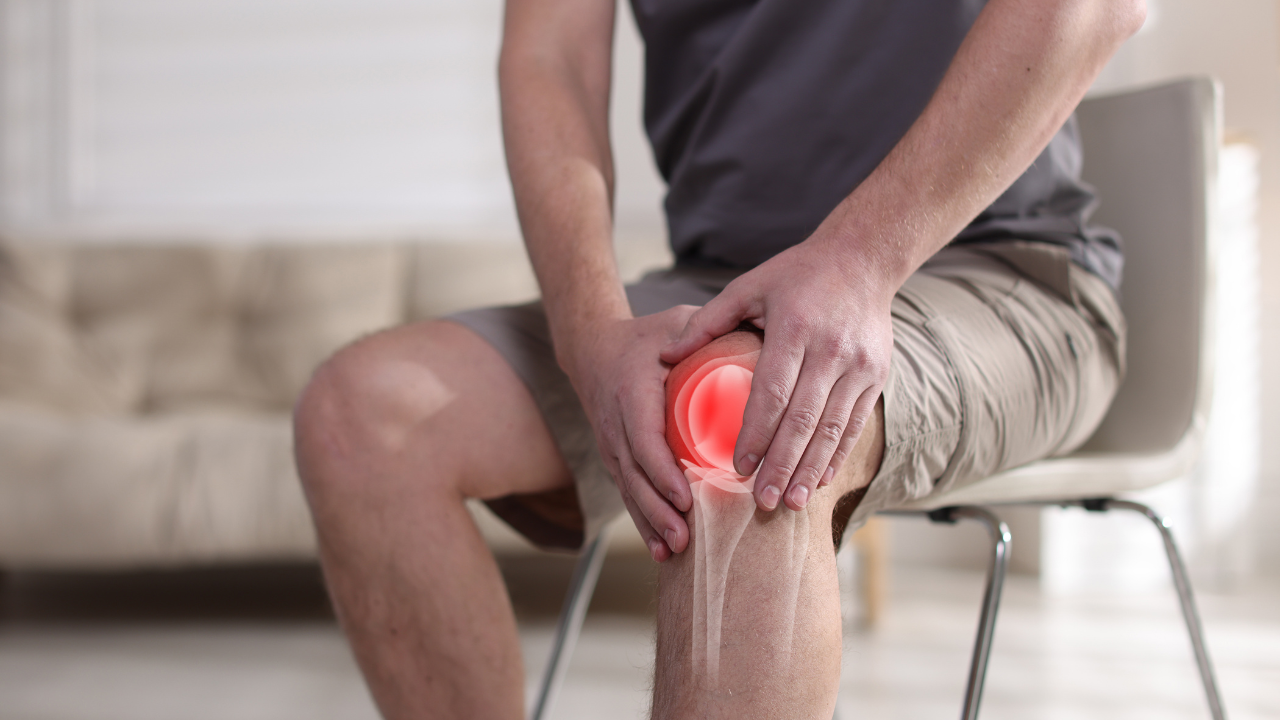
Does your knee ache every time you walk up or down a flight of stairs? You're not alone. Knee pain while climbing stairs is one of the most common reasons people seek physiotherapy, affecting people of all ages, from active athletes to office workers and older adults.
Whether it's a dull ache, sharp pain, or a clicking sensation, discomfort when using stairs is often a sign that something isn't functioning properly within the knee joint or surrounding muscles. At VanCity Physio, our experienced physiotherapists use a thorough clinical physiotherapy assessment to identify the root cause of knee pain and create personalized treatment plans that relieve pain, restore movement, and prevent future injuries.
Walking on level ground places moderate force through your knees. However, going up or down stairs can increase the force through your knee joint to 3 to 6 times your body weight.
Descending stairs is often even more painful because your quadriceps muscles must work harder to control your body's movement while absorbing impact. If any structure around your knee is irritated or weak, stair climbing quickly becomes uncomfortable.
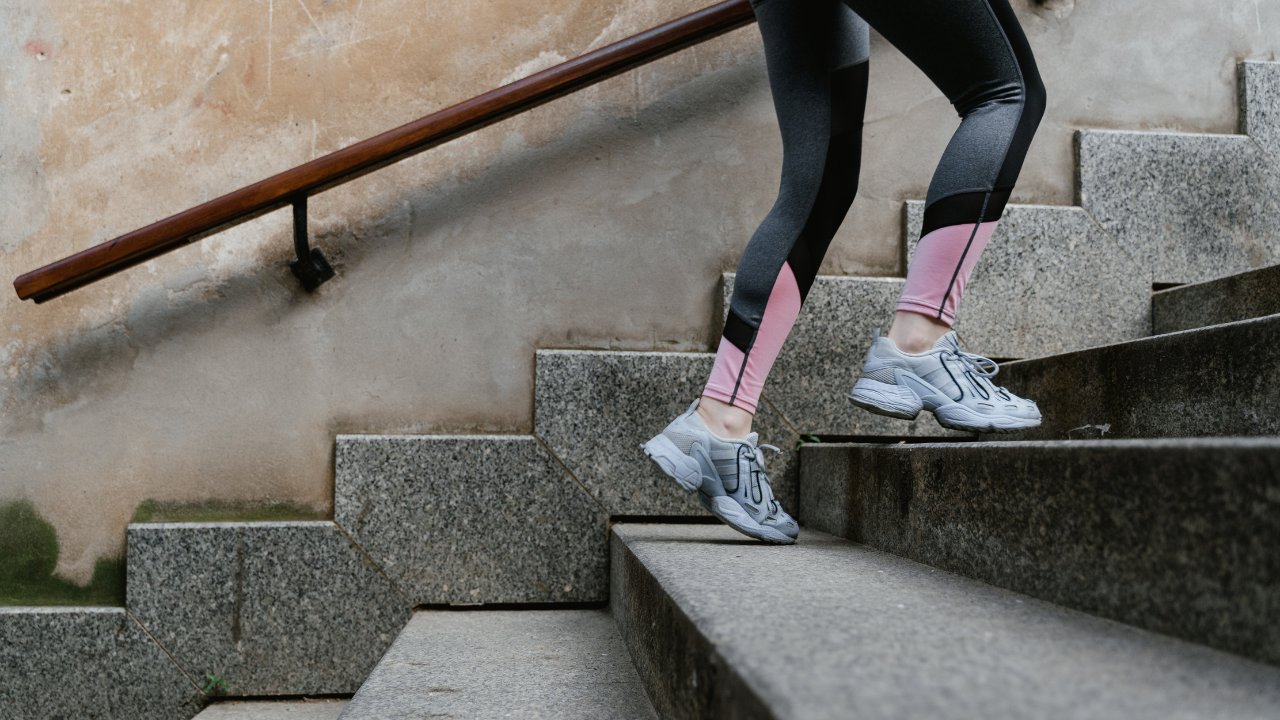
One of the most common causes of knee pain on stairs is Patellofemoral Pain Syndrome (PFPS). This occurs when the kneecap (patella) doesn't move smoothly within its groove, creating irritation and inflammation.
Symptoms include:
This condition is especially common among:
For active people, sports physiotherapy can address both the pain and the movement patterns behind it.
As we age, the cartilage inside the knee gradually wears down.
This can cause:
While arthritis cannot be reversed, physiotherapy can significantly reduce pain and improve function.
Repeated jumping, running, or sports can overload the patellar tendon.
Symptoms often include:
Without treatment, tendon pain can become chronic. For stubborn cases, shockwave therapy can help stimulate healing in the tendon.
The meniscus acts as the knee's shock absorber.
A tear can occur from:
Common symptoms include:
Weak muscles are one of the biggest contributors to knee pain.
Weakness in the:
can cause the knee to absorb more force than it should, leading to pain over time.
Tight muscles can alter knee mechanics.
Common tight areas include:
Improving flexibility often reduces stress on the knee. Techniques like IMS (intramuscular stimulation) can help release tight muscles that pull on the joint.
Many people notice descending stairs hurts more than climbing up. That's because walking downstairs requires your quadriceps muscles to slowly control your body weight.
This creates significantly more pressure behind the kneecap. If your kneecap isn't tracking properly or the surrounding muscles are weak, pain often appears during this movement.
Seek assessment if your knee pain includes:
Early treatment often prevents chronic pain.
At VanCity Physio, we don't just treat the pain, we identify why it's happening.
Your physiotherapy assessment may include:
Based on your assessment, your personalized treatment plan may include:
Hands-on manual therapy techniques help improve joint mobility, reduce stiffness, and decrease pain.
Targeted strengthening for:
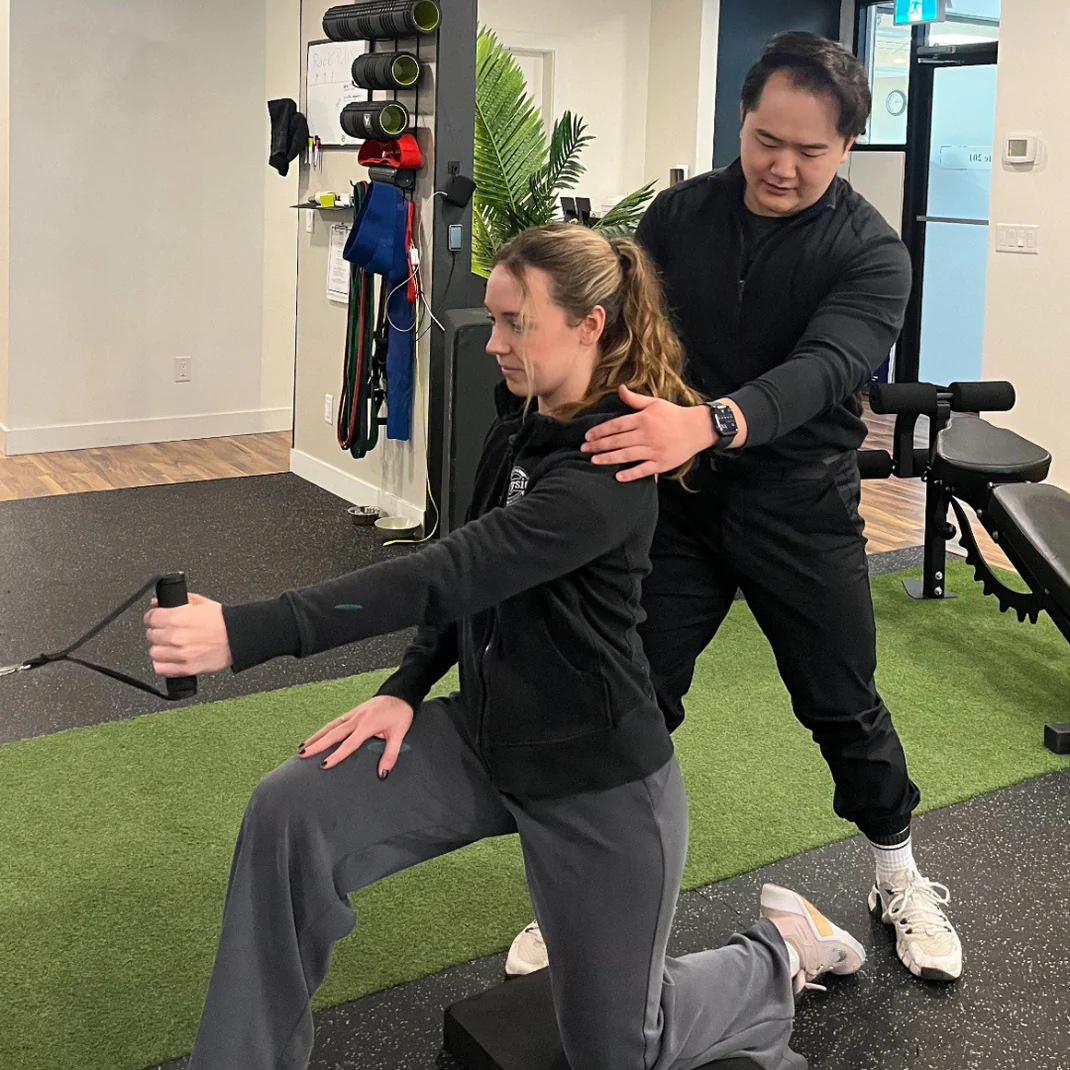
helps improve knee alignment and reduce stress on the joint. A structured active rehabilitation program builds this strength progressively and safely.
Improving flexibility can restore normal movement and reduce pressure around the knee.
Proper movement patterns reduce unnecessary stress during walking, stairs, and exercise.
You'll learn how to modify activities, improve posture, and safely return to exercise without aggravating your symptoms.
Minor irritation may improve with rest. However, if pain continues for more than a couple of weeks or keeps returning whenever you use stairs, it's important to determine the underlying cause.
Ignoring knee pain often leads to:
Early physiotherapy usually leads to faster recovery.
While waiting for your assessment, try these strategies:
At VanCity Physio, we provide evidence-based physiotherapy designed to get you moving confidently again.
Our team offers:
Whether your knee pain started gradually or after an injury, we're here to help you return to work, sports, and everyday activities with less pain and greater confidence.
Don't let knee pain keep you from enjoying your daily activities. The experienced team at VanCity Physio can identify the cause of your knee pain and create a customized treatment plan to help you move comfortably again.
Book your physiotherapy assessment at our Downtown clinic or Fairview clinic and take the first step toward lasting relief.
Why do my knees hurt only when going downstairs?
Going downstairs places greater force through the kneecap than walking on level ground. Weak muscles, poor knee alignment, or cartilage irritation can make this movement painful.
Is walking good for knee pain?
Yes. Gentle walking is often beneficial for knee health, provided it doesn't significantly increase your symptoms. A physiotherapist can help determine the right level of activity for your condition.
Can physiotherapy help avoid knee surgery?
In many cases, yes. Physiotherapy can reduce pain, improve strength, and restore movement, helping many people manage knee conditions without surgery.
How long does knee pain take to heal?
Recovery depends on the underlying cause. Mild conditions may improve within a few weeks, while tendon injuries or arthritis may require a longer rehabilitation plan. Following a personalized exercise program can help speed recovery.

.png)
.svg)
.svg)