

Being fit and healthy doesn't make you immune to chronic shoulder pain. In fact, people who train hard are often the most frustrated by it, because they're doing everything right and the pain still won't go away.
That was the case for one of our patients, a very fit and active man who had lived with shoulder pain for two years. His case was complex. He had tried many different treatments, and none had given him lasting relief. The pain was getting in the way of the heavy training he loved.
Here is what can keep shoulder pain going for so long, how High-Energy Inductive Therapy (HeIT) fits into chronic shoulder pain treatment at our Downtown Vancouver clinic, and what this patient experienced after three sessions.
The shoulder is the most mobile joint in the body, and it relies on many muscles and tendons working together to stay stable. When pain lasts for months or years, it is usually because several factors are keeping it going at once.
Common contributors to long-lasting shoulder pain include:
Being fit can also mask a problem. Strong people often find ways to work around pain, which can keep a shoulder irritated for longer before it gets properly assessed.
That's why a thorough physiotherapy assessment matters, especially when several treatments haven't worked.
High-Energy Inductive Therapy (HeIT) uses a strong electromagnetic field to stimulate nerves and muscles beneath the skin. Sessions are non-invasive, with the treatment head positioned over the painful area.
At VanCity Physio, HeIT is used to help reduce pain and activate deeper muscles in conditions that have been slow to respond to other care. Senior Physiotherapist Ranko Vukovic delivers HeIT at our Downtown clinic, and patients are usually referred to him when their condition is persistent or hasn't responded to previous treatment.
Research on HeIT is still emerging. For that reason, we use it as one part of a plan built around a full assessment, often alongside hands-on treatment and exercise, rather than as a stand-alone fix.
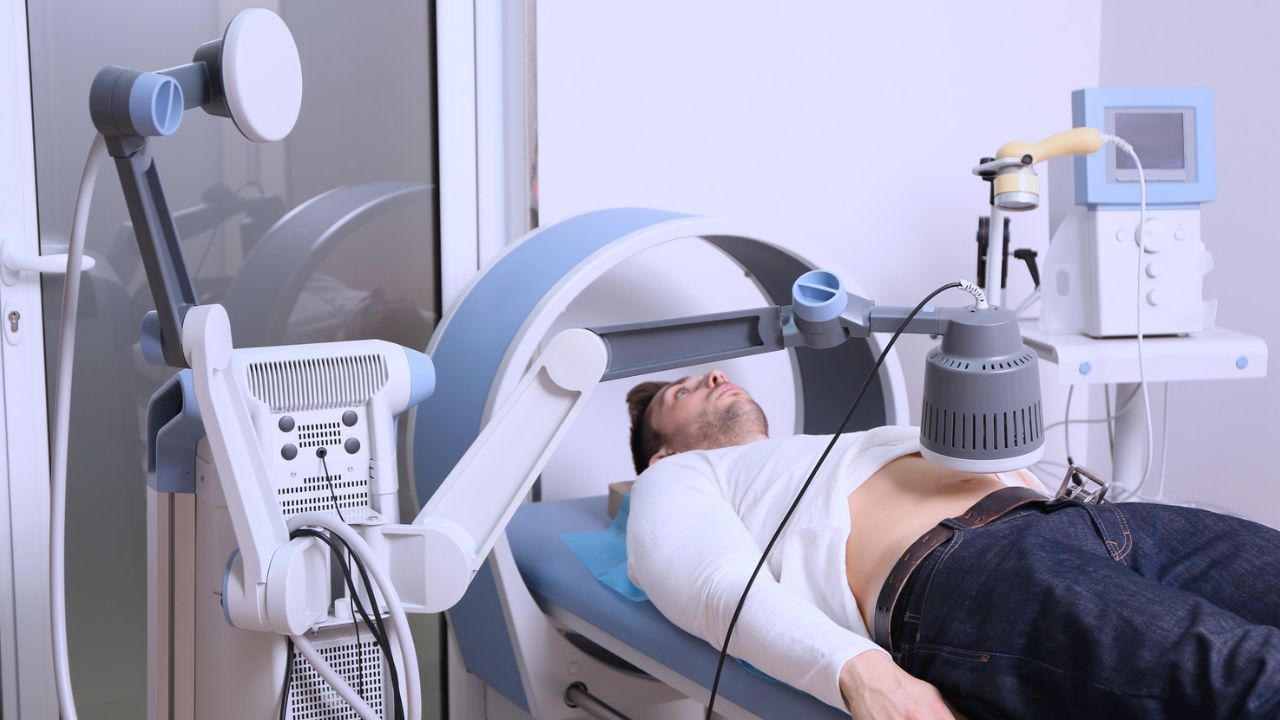
By the time he came to see Ranko, this patient had been dealing with shoulder pain for two years. He was strong and healthy, but his shoulder kept stopping him from lifting the way he wanted to.
After his assessment, his treatment included HeIT. Following three HeIT sessions, he reported that he was pain-free and back to lifting heavy weights. He shared his experience in a Google review:
This is one patient's experience. The number of sessions people need varies, and results depend on the cause of the pain, how long it has been present and the person's overall plan.
HeIT isn't the right choice for everyone, and the only way to know is through an assessment. It may be worth discussing with your physiotherapist if:
Your physiotherapist will check your health history first, as electromagnetic therapies are generally not used for people with pacemakers or other implanted electronic devices, or during pregnancy.
Seek prompt medical care if shoulder pain follows a fall or heavy impact, if you suddenly can't lift your arm, or if you notice significant swelling, numbness or weakness down the arm.
What is the best treatment for chronic shoulder pain?
There is no single best treatment, because chronic shoulder pain can have different causes. Effective treatment starts with an assessment, and plans often combine exercise, hands-on therapy and, for some people, modalities such as HeIT or shockwave therapy.
How many HeIT sessions will I need?
It varies. Some people notice changes within a few sessions, while others need more as part of a longer plan. Your physiotherapist will review your progress as you go.
Does HeIT hurt?
HeIT is non-invasive. Most people feel strong muscle contractions or tapping during treatment, and the intensity can be adjusted for comfort.
How much does HeIT cost at VanCity Physio?
A 30-minute HeIT session costs $145, according to our published price list.
Do I need a referral to see a physiotherapist in Vancouver?
No referral is required in British Columbia. VanCity Physio also offers direct billing to most extended health plans, including ICBC and WorkSafeBC.
If your shoulder has been holding you back for months or years, a fresh assessment can help find what is keeping the pain going and whether HeIT could be part of your plan.
Book a HeIT session at our Downtown clinic, or contact us if you're not sure which treatment is right for you.


