
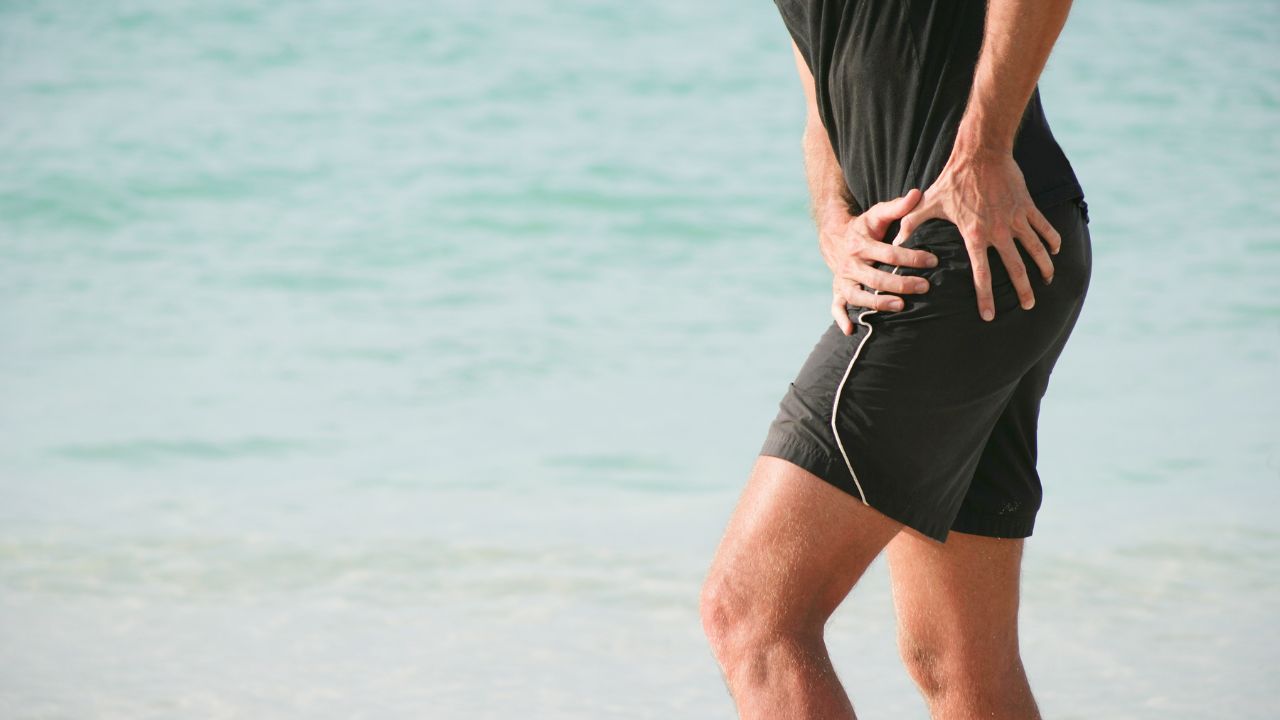
If your hips constantly feel tight, stiff, or uncomfortable, especially after sitting at a desk, driving, exercising, or spending long periods on your feet, you may have wondered whether your hip flexors are actually tight.
While tight hip flexors can certainly contribute to discomfort, the cause isn't always as simple as stretching more. Tight hip flexors symptoms often point to something beyond the muscle itself.
At VanCity Physio, we often look at the bigger picture when assessing hip and lower body discomfort. Your mobility, strength, posture, activity levels, movement patterns, and even how your body compensates for an injury can all play a role.
Understanding why your hips feel tight can help you choose the right approach instead of repeatedly stretching the same area without addressing the underlying problem.
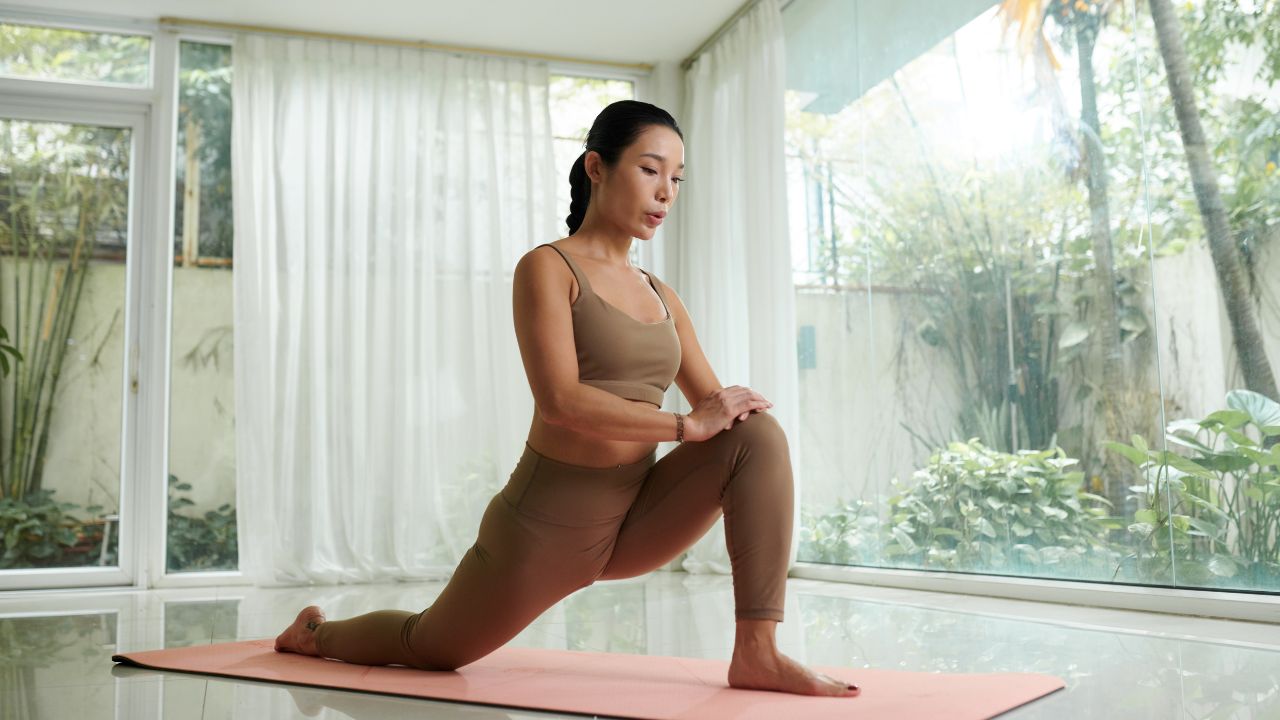
Your hip flexors are a group of muscles that help bring your thigh toward your torso. Some of the most important muscles involved include the iliopsoas, rectus femoris, and sartorius.
You use your hip flexors every day when you:
Because these muscles are involved in so many everyday movements, they can become irritated or overloaded when your activity levels change or when your body isn't moving efficiently.
Tight hip flexors symptoms can show up as a pulling or tension at the front of the hip, stiffness after sitting, fatigue during exercise, or discomfort when standing up. Here's what's often behind them.
Long periods of sitting keep your hips in a flexed position. If you work at a desk, drive frequently, or spend much of your day sitting, your hips may feel stiff when you stand up.
However, sitting doesn't necessarily mean that your hip flexors are permanently shortened. Sometimes the sensation of tightness is your body's response to spending a long time in one position.
Regular movement breaks, strengthening exercises, and an individualized physiotherapy program may be more useful than simply performing repeated stretches.
Your hip flexors may become overloaded when other muscles aren't contributing effectively.
For example, your glutes and core help stabilize your pelvis and hips during movement. If they aren't providing enough support for the task you're performing, other muscles may have to compensate. This can contribute to a feeling of tension or fatigue around the front of the hip.
A sudden increase in running, cycling, hiking, strength training, or sports can place additional demands on your hip muscles. This is particularly common when someone goes from relatively low activity to a demanding exercise routine without gradually increasing their workload.
A physiotherapist can help determine whether your symptoms are related to training volume, technique, strength, mobility, or another factor.
Sometimes what feels like a tight muscle is actually a limitation somewhere else in the movement system. Your hip joint, pelvis, spine, and surrounding muscles all work together.
For example, limited hip mobility may cause your body to compensate through your lower back or pelvis during certain movements. That's why a proper physiotherapy assessment looks beyond the exact spot where you feel discomfort.
The hip and lower back are closely connected. If your lower back is irritated or you're experiencing movement restrictions, you may notice tension around your hips as well.
This is one reason it's important not to assume that every case of tight hip flexors requires aggressive hip flexor stretching. The source of the problem may be elsewhere.
Stretching can be useful in some situations, but it isn't automatically the best solution for every person.
If your hip flexors feel tight, repeatedly stretching them may provide temporary relief without addressing why they became uncomfortable in the first place. A better approach is to determine what is contributing to the sensation.
Depending on your assessment, treatment may include:
The goal isn't simply to make your muscles feel looser. The goal is to help you move comfortably and confidently.
.jpg)
A physiotherapist in Vancouver can assess how your hips, pelvis, spine, and lower extremities work together.
At VanCity Physio, an assessment can help identify factors such as:
Your treatment plan should be based on what is actually contributing to your symptoms, not simply on where you feel tightness.
Occasional stiffness after sitting or exercising isn't necessarily a reason for concern.
However, consider speaking with a physiotherapist if your hip symptoms:
Getting assessed early can also help you understand what you can safely continue doing while your symptoms improve.
One of the biggest mistakes people make with persistent hip tightness is focusing exclusively on the muscle that feels tight.
Your body works as a connected system. Your hips interact with your pelvis and lower back, while your knees and feet can also influence how forces travel through your lower body.
Instead of asking only, "How do I stretch my hip flexors?", a better question may be, "Why does my body keep creating this feeling of tightness?"
That's where an individualized physiotherapy assessment can be valuable.
.jpg)
Persistent hip tightness doesn't always mean you need more stretching. If your hips regularly feel tight, stiff, or uncomfortable, finding the underlying reason behind your tight hip flexors symptoms can help you address the problem more effectively.
At VanCity Physio, our physiotherapy team can assess your symptoms and movement patterns and develop a treatment plan designed around your goals, whether you're trying to return to exercise, improve everyday mobility, or get back to the activities you enjoy.
Ready to find out what's behind your hip tightness? Book an assessment at our Downtown clinic or Fairview clinic and take the next step toward moving with greater comfort and confidence.
How do I know if my hip flexors are actually tight?
A feeling of tightness doesn't necessarily mean that a muscle is physically shortened. A physiotherapist can assess your hip mobility, strength, movement patterns, and symptoms to help determine what's contributing to the problem.
What are the most common tight hip flexors symptoms?
People often report a pulling or tension at the front of the hip, stiffness after sitting or driving, fatigue in the hips during exercise, and discomfort when standing up or climbing stairs. These sensations can have several causes, so an assessment helps pinpoint the source.
Can sitting cause tight hips?
Long periods of sitting can contribute to hip stiffness and discomfort, particularly when you're staying in one position for extended periods. Taking regular movement breaks and incorporating appropriate strengthening and mobility exercises can help.
Is walking good for tight hip flexors?
For many people, gentle movement such as walking can be helpful for stiffness. However, if walking consistently increases your pain, it's worth getting assessed rather than simply pushing through it.
Should I stretch my hip flexors every day?
Not necessarily. Stretching can be useful, but the right approach depends on why you're experiencing tightness. Strength, mobility, movement habits, and activity levels may all need to be addressed.
Can tight hip flexors cause lower back pain?
Hip and lower back movement are closely connected, and problems in one area can influence the other. However, there are many possible causes of lower back pain, so an assessment is important before assuming that tight hip flexors are the cause.

.png)
.svg)
.svg)